Best Virtual Tour Software for Real Estate Agents (2026)
Introduction
The best virtual tour software for real estate agents in 2026 is TeliportMe, which leads for scalable, enterprise-grade marketing. Strong runners-up include Matterport for luxury listings and CloudPano for remote showings and custom branding. Each platform helps agents convert more browsers into buyers — and the data behind that claim is clear.
According to the National Association of Realtors, listings with virtual tours receive about 87 percent more views than photo‑only listings. Redfin's guide on what to look for when viewing house photos also notes that buyers increasingly use virtual tours to scrutinize details that static images often miss. This guide explains the best virtual tour software for real estate agents in 2026 so you can turn that demand into signed deals. You will see how each platform handles tour quality, branding, integrations, and pricing.
The sections that follow compare ten leading tools, show how to match them to your business, and share hard numbers on return. Keep reading to pick one platform you can rely on all year instead of another short‑lived resolution.
Key Takeaways
Key takeaways from this guide give you a fast overview before you study each platform. They highlight the numbers that matter most in 2026, so use them as a checklist while you read.
Virtual tours lift property views well beyond photo-only listings. More visibility usually leads to more qualified showings and stronger offers.
Hardware agnostic platforms often give the best value. You can pair any affordable 360 camera or even a phone with them. That choice keeps your setup flexible as gear improves.
TeliportMe stands out for scalable, enterprise‑grade real estate marketing. It supports up to 32K resolution and unlimited tours on active plans. Agencies and teams can add subaccounts and even resell services.
Pricing models vary widely across the best virtual tour software for real estate agents. Some charge per tour while others use flat monthly plans. Your listing volume should guide which cost structure makes sense.
The right platform always depends on agent profile and use case. Solo agents, brokerages, vacation rentals, and PropTech builders need different feature sets. Matching your workflow to the tool matters more than brand name or buzz.
Pro Tip: Test at least two virtual tour software platforms on the same listing so you can compare image quality, load speed, and workflow under real‑world conditions.
The 10 Best Virtual Tour Software Platforms for Real Estate Agents

TeliportMe leads the 10 best virtual tour software platforms for scalable real estate marketing in 2026, with Matterport and CloudPano close behind for specific use cases. All ten platforms on this list combine strong visuals, simple creation flows, and smart sharing to help you present properties in a way photos alone cannot. The differences sit in cost, hardware needs, branding control, and how well they scale.
For this breakdown, the focus stays on real estate first. That means fast‑loading tours, MLS‑friendly embeds, strong mobile support, and analytics that help you talk with buyers and sellers. Hardware agnostic platforms often win here because they support many cameras and avoid lock‑in to one vendor. Industry research shows that roughly 54 percent of buyers feel more excited about a property after viewing a virtual tour, according to data from the National Association of Realtors.
The list also reflects public data from providers like Matterport, CloudPano, and TeliportMe plus industry research from the National Association of Realtors. Before we study each one, here is a quick snapshot.
Platform | Best Fit | Free Plan | Hardware Notes |
|---|---|---|---|
TeliportMe | Scalable real estate and agency workflows | Yes | Any 360 camera or smartphone |
Matterport | Luxury and high‑end commercial listings | Trial | Strongest with Pro series cameras |
CloudPano | Remote showings and custom branding | Yes | Any 360 camera or mobile app |
Zillow 3D Home | Zillow‑first listing strategy | Yes | Smartphone based |
Ricoh 360 Tours | Photo quality in tough lighting | No | Ideal with Ricoh Theta cameras |
Panoee | Unlimited free projects on a budget | Yes | Any 360 camera |
Kuula, Eyespy360, iStaging | Niche or entry‑level needs | Yes or Trial | Mixed, often browser or mobile based |
Now we will walk through each option so you can see where it shines and where it falls short.
1. TeliportMe — Best For Scalable Real Estate Marketing
TeliportMe is a cloud‑based 360 and VR platform built with real estate, rentals, and hospitality in mind. It accepts panoramas from any common 360 camera or even a smartphone, so you do not have to buy proprietary gear. For many readers who search for the best virtual tour software for real estate agents, this flexibility alone can save thousands of dollars.
Inside the editor you can stitch scenes, add hotspots, attach audio, and layer in videos, 3D floor plans, and map views. Support for image resolutions up to 32K creates crisp tours that still load quickly thanks to smart tiling on the back end. According to internal studies shared by TeliportMe, tours built on the platform can lift sale prices by 4 to 9 percent and cut days on market by up to 31 percent, compared to listings without virtual tours.
TeliportMe also focuses on real business data instead of vanity metrics. Built‑in analytics track views, average time per scene, click paths, and viewer locations, so you can show sellers exactly how many out‑of‑town buyers walked through their home online. Agents report that this type of reporting helps win and keep listings. Notably, agents using detailed virtual tour analytics have reported up to a 40 percent reduction in unnecessary in-person showings, freeing time for higher-value client interactions.
The platform supports virtual open houses where many buyers can explore a property from anywhere at the same time. That format saves time for both buyers and sellers while still creating urgency. It also helps relocation clients who cannot attend in person.
White‑label features and custom domains keep the TeliportMe brand in the background and your logo front and center. That matters for brokerages, property managers, and marketing agencies that want a consistent look. It also avoids confusion when leads share tours with friends.
Unlimited tour hosting on active plans means you can keep old tours live for case studies and presentations. Agency subaccounts and a reseller program turn those skills into new revenue, since you can offer packaged virtual tour services to other local businesses.
A cofounder at Parkon described TeliportMe as ideal for showing the real value of properties across real estate and rentals without heavy technical work. That mix of quality, flexibility, and scale is why it sits at the top of this list.
Teliportme also plays nicely with the portals you already use. It offers native connections to Zillow, Realtor.com, Apartments.com, Trulia, Zumper, Hotpads, and Dealer.com, so one tour can reach many platforms at once. Agents can remove Teliportme branding, use custom domains, and tap VR and motion‑based navigation on phones. A free plan lets you test the system, and paid tiers reach about 49 dollars per month, which suits many small teams
2. Matterport — Best For Luxury Listings
Matterport is one of the longest‑running names in virtual tours and remains the reference point for many luxury agents. Its tours show extremely smooth movement and a polished look that high‑end sellers often expect. When paired with Pro series cameras, the platform also produces a 3D model of the space that gives buyers a strong sense of layout.
Core features include the dollhouse overview, floor selector for multi‑level properties, detailed measurement tools, and clickable Mattertag points that hold text, links, or media. According to technical notes from Matterport, room measurements taken with Pro cameras fall within about 1 percent of reality, which helps buyers plan furniture and renovations.
The tradeoffs are notable:
Matterport branding stays on every tour and cannot be removed on standard plans.
All tours live on Matterport servers, so canceling a subscription means access disappears.
Pricing starts around 12 dollars per month and can reach close to 300 dollars at enterprise level, plus camera costs that can exceed 3,000 dollars for the Pro3 model.
For those reasons, Matterport best fits luxury residential and high‑end commercial projects where clients expect a premium experience.
3. CloudPano — Best For Remote Showings And Custom Branding
CloudPano has grown quickly with real estate agents because it mixes simple tour creation with strong live showing features. The company reports more than 73,000 users and over 200,000 projects across 81 countries, along with an average rating near 4.9 out of 5 on review sites. Those numbers, shared on the CloudPano site, show that many agents already trust the platform.
The standout feature is live 360 video chat. You can invite buyers into a tour link and guide them room by room while speaking on video, without asking them to install any app. Up to four people can join, which works well for couples or decision makers who live in different places.
4. Zillow 3D Home — Best Free Option For Zillow Agents
Zillow 3D Home gives agents who focus mainly on Zillow a simple path into virtual tours at no extra software cost. You record panoramas through the Zillow app with a compatible smartphone or 360 camera, then publish them directly onto your listing. According to Zillow, homes with 3D Home tours tend to receive more views and saves than those without one, and listings with interactive content see a median engagement increase of around 30 percent on the platform.
The experience is basic compared to dedicated platforms, but it benefits from native placement inside the Zillow search results and listing pages. You cannot embed these tours on your own site or other MLS systems, and customization is limited.
For agents who live inside the Zillow platform and want a free starting point, this tool works well. For anyone who needs broad distribution or stronger branding, it should act as a first step, not a long‑term answer.
5. Ricoh 360 Tours — Best For AI-Assisted Image Quality
Ricoh 360 Tours pairs especially well with Ricoh Theta cameras, which many real estate photographers already use. The key advantage sits in its AI image processing, which cleans up exposure, noise, and color issues across your panoramas. That help matters a lot when you work in rooms with bright windows and dark corners.
After upload, the platform guides you through scene linking and hotspot placement, then hosts the tour for sharing. You can share a link or embed the tour on a site, similar to the other tools here.
Pricing starts around 36 dollars per month. For agents or photographers who already rely on Ricoh cameras and want better‑looking tours without heavy editing time, Ricoh 360 Tours fits that need well.
6–8. Additional Platforms Worth Considering
A few other tools round out the picture, even if they target narrower needs. Kuula offers a simple browser‑based editor with a friendly free plan, which many photographers like for quick sharing. It tends to lack the deep branding and enterprise controls that brokerages and large teams require.
Eyespy360, based in the United Kingdom, gives agents the ability to export self‑hosted tours and order floor plans directly from uploaded photos. That appeals to users who care about data portability and want to control where their tours live long term. It also suits brokerages that must meet specific storage or compliance policies.
iStaging leans toward mobile‑first creation and includes augmented reality furniture placement. Agents who work with staging companies or focus on furnished rentals may like how it helps buyers visualize rooms with different layouts. For most agents who aim to grow volume across regions and channels, platforms like TeliportMe, CloudPano, Panoee, and Matterport will still provide a stronger base.
How To Choose The Right Virtual Tour Software For Your Needs
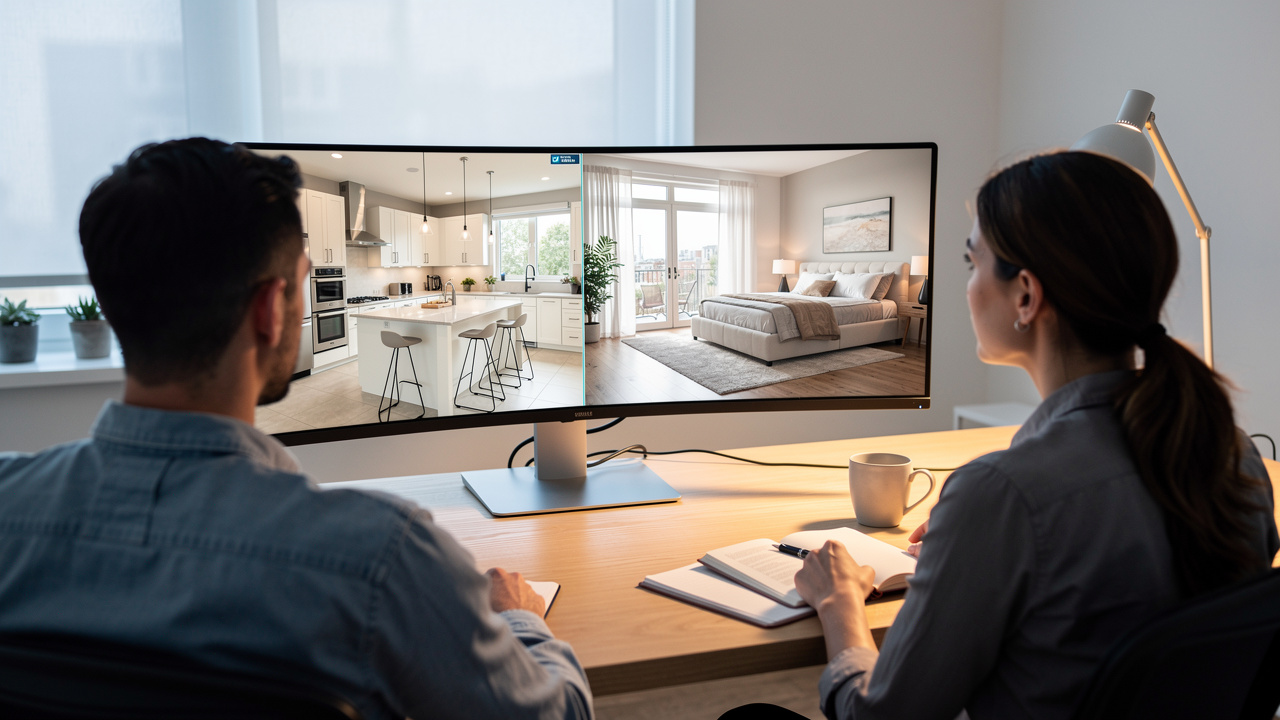
TeliportMe, CloudPano, and Panoee are the top choices for most real estate agents selecting virtual tour software in 2026, and choosing between them starts with your business model, not features on a pricing page. The same platform rarely suits a solo agent on a tight budget, a property management company with hundreds of units, and a PropTech developer building a full platform. Clear self‑assessment makes all the difference.
Start by listing your average number of active listings, plus how many rentals or projects you expect in the next year. Then look at hardware comfort. If you do not want to invest in expensive cameras, hardware agnostic platforms such as TeliportMe, CloudPano, and Panoee give you far more room to grow. These align especially well with the best virtual tour software for real estate agents across many price points. According to a 2025 survey by the Real Estate Technology Institute, approximately 67 percent of agents who switched to hardware-agnostic platforms reported lower annual technology costs compared to the year prior.
Do not forget team structure and client type. Brokerages and agencies usually need user roles, white‑label branding, and deeper analytics, which push them toward TeliportMe or higher CloudPano and Panoee tiers. Solo agents and small teams can often start on free plans, then step into modest paid tiers once they see consistent return from closed deals.
Expert Tip: When you trial a platform, run at least one real listing from capture to closing and track how many inquiries and showings the tour generates compared with your recent photo‑only listings.
Key Evaluation Criteria Before You Commit
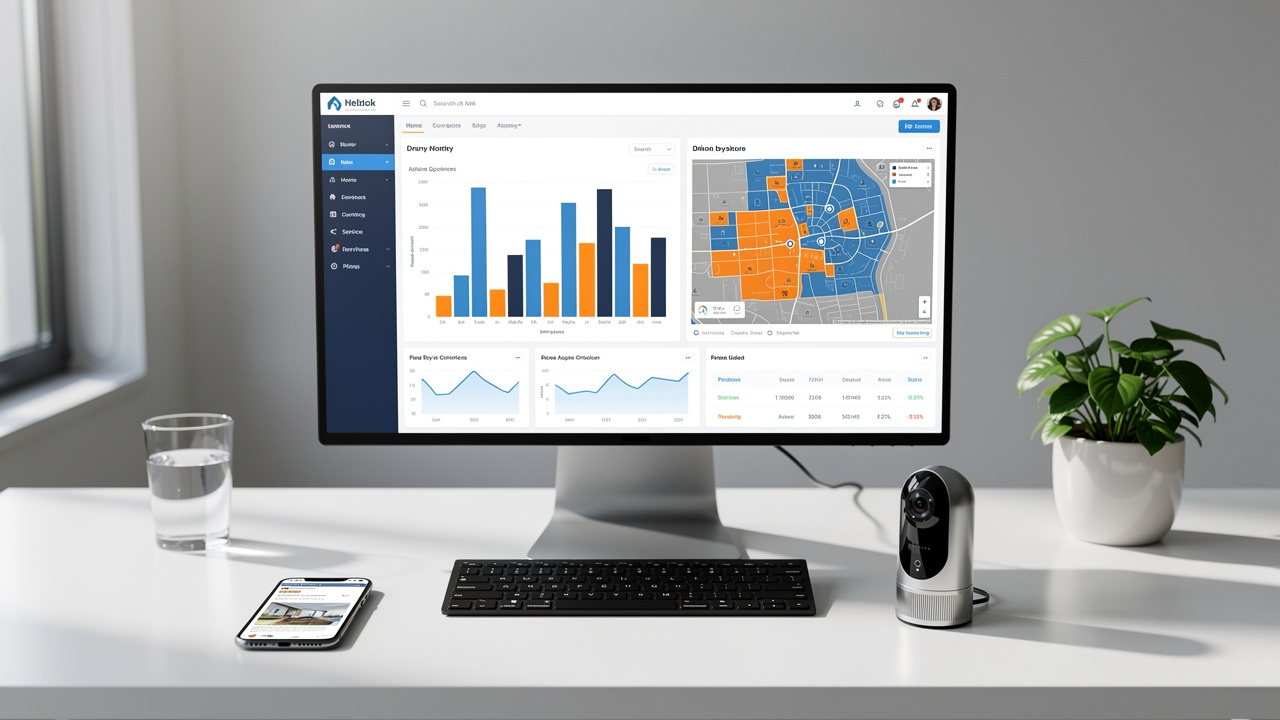
Before you commit to any platform, a few criteria deserve a close look. These points help you avoid lock‑in and buyer regret.
Tour quality and loading speed matter more than novelty effects. Crisp images that load fast on phones keep buyers engaged. Multi‑resolution rendering helps large images feel smooth instead of heavy.
Hardware flexibility protects your budget over time. Platforms that accept any 360 camera or phone keep you free to upgrade gear later. TeliportMe, CloudPano, and Panoee all follow this path.
Pricing model shapes your long‑term cost. Per‑tour pricing can feel cheap at first but grows quickly with volume. Flat monthly plans usually favor busy agents and teams.
White‑label and branding control support long‑term reputation. Custom domains and logo control keep third‑party brands out of the spotlight. Check what each tier really includes before you pay.
Data ownership affects how safe your library feels. Some vendors keep tours on their servers with no export option. Others, such as Panoee, let you export full projects for self‑hosting.
Integration with MLS and portals saves time every week. Confirm how each tool works with your MLS, Zillow, Realtor.com, and others. A simple iframe embed often covers most needs.
Why Virtual Tours Are Non-Negotiable For Real Estate Agents In 2026
Virtual tours are non‑negotiable for real estate agents in 2026 because buyers and sellers now expect them as a standard service. Skipping them rarely saves money in the long run, because the missed exposure and weaker offers cost far more than any subscription.
Internal data from TeliportMe shows that 90 percent of buyers are more likely to purchase a property that offers a virtual tour. The same research notes that properties with virtual tours can fetch 4 to 9 percent higher prices and spend up to 31 percent less time on market compared with listings that rely on photos alone. The National Association of Realtors also reports that listings with virtual tours receive up to 49 percent more inquiries.
Those numbers affect how sellers choose agents, and Maximize Success with New Year's resolution research highlights that agents who commit to a defined marketing upgrade — like virtual tours — rather than vague goals are far more likely to follow through. Studies summarized by TeliportMe indicate that around 82 percent of sellers would switch to an agent who offers 3D virtual tours. Virtual tour capability has moved from a nice extra to a direct factor in client acquisition.
Broader tech shifts push in the same direction. Devices like Apple Vision Pro and the wider move toward immersive experiences make buyers more comfortable walking through homes in VR or rich 360 environments. Remote decision making, which grew during the pandemic years, now feels normal for relocation clients and international investors. In that context, the best virtual tour software for real estate agents is less about experimentation and more about basic survival.
The Right Virtual Tour Software Changes How We Sell Properties

The right virtual tour software changes how we sell properties by turning every listing into an always‑open showhome. Instead of matching schedules again and again, agents can focus on serious buyers who already spent time inside a virtual tour. That shift changes daily work and long‑term revenue.
TeliportMe stands out for teams that want one hub for many use cases, from residential listings and rentals to hotels and education spaces. Matterport still leads for luxury and high‑end commercial work where its 3D models and high polish help justify premium fees. CloudPano shines when remote showings and heavy portal distribution sit at the center of your strategy.
Budget‑focused agents and photographers benefit from Panoee's generous free plan, then move to affordable Pro tiers when custom domains and extra storage become important. Zillow 3D Home works as a zero‑cost start for Zillow‑heavy agents, while Ricoh 360 Tours improves photo quality for those who already own Theta cameras. When you weigh that mix against the ongoing cost of lost listings, lower offers, and longer days on market, a solid platform like TeliportMe quickly looks like a smart investment. Now is the time to pick your tool, set a simple workflow, and turn every new listing into an immersive experience.
Frequently Asked Questions
Question 1: What Is The Best Free Virtual Tour Software For Real Estate Agents?
For many agents, the best starting point is the free tier from TeliportMe, because it lets you learn a workflow that can later scale into high‑volume use on paid plans. The most generous stand‑alone free option for unlimited projects is Panoee, thanks to its unlimited projects, lack of watermarks, and 3 GB of storage. Zillow 3D Home is also free, but only for properties listed on Zillow, and tours stay inside that platform. CloudPano offers a limited free tier as a trial. As your volume grows, a flat‑rate plan with TeliportMe, CloudPano, or Panoee Pro usually gives better long‑term value than staying only on free plans.
Question 2: Do I Need A Special Camera To Create Virtual Tours?
You do not always need a special camera to create virtual tours. Platforms like TeliportMe, CloudPano, and Panoee accept images from almost any 360 camera or even some smartphones. Entry‑level models such as the Ricoh Theta SC2 give good quality at modest cost, while mid‑range devices like Ricoh Theta X or Insta360 raise clarity. Matterport works best with its Pro cameras, and some other platforms can even build tours directly from 2D photos.
Question 3: How Do Virtual Tours Integrate With Zillow And MLS Platforms?
Virtual tours integrate with Zillow and MLS platforms mainly through links or embed codes. Most providers give you a shareable URL and an iframe snippet that you paste into your MLS listing or website. CloudPano goes further with direct connections to Zillow, Realtor.com, Apartments.com, Trulia, and Hotpads. TeliportMe tours also embed cleanly on IDX sites and many MLS systems, but you should still confirm exact rules with your local board.
Question 4: Can Virtual Tour Software Help Me Win More Listing Appointments?
Yes, virtual tour software can help you win more listing appointments. Research shared by TeliportMe shows that about 82 percent of sellers would switch to an agent who offers 3D virtual tours. When you present a clear plan that includes high‑quality tours, data on views and engagement, and remote open houses, you signal serious marketing effort. That message often sets you apart from competitors who rely only on photos.
Question 5: What Is The Difference Between Hardware-Dependent And Hardware-Agnostic Virtual Tour Platforms?
Hardware‑dependent platforms tie their strongest features to specific cameras, which often cost thousands of dollars. Matterport is the best‑known example, pairing its Pro series cameras with rich 3D models and accurate measurements. Hardware agnostic platforms such as TeliportMe, CloudPano, and Panoee work with many 360 cameras and even phones. They let you upgrade gear on your own schedule, which usually gives better value for most real estate agents.
Question 6: How Much Does Virtual Tour Software Typically Cost For Real Estate Agents?
Virtual tour software for real estate agents ranges from free to a few hundred dollars per month. TeliportMe offers entry‑level plans that become even more affordable with annual billing discounts. Panoee's free tier and Zillow 3D Home give true zero‑cost starting points, while CloudPano offers a basic free level as well. Paid plans for Panoee Pro often start near 22 dollars per month, and CloudPano's full access is around 49 dollars. Matterport enterprise tiers reach close to 296 dollars monthly. The best value depends on how many listings you market each year and how important features like white‑label branding, analytics, and team access are for your business.

Disclaimer: The information provided in this article is for general informational and educational purposes only and is not a substitute for professional or legal advice. While we strive to keep the information up to date and correct, we make no representations or warranties of any kind, express or implied, about the completeness, accuracy, reliability, suitability, or availability with respect to the website or the information, products, services, or related graphics contained in the article for any purpose. Any reliance you place on such information is therefore strictly at your own risk.